
What Experience Do You Need Before You Start Writing Your First Novel?
A lot of writers wait for years to start on a novel because they feel like they’re not ready. They want to do more writing first, or take another course, or even get a creative writing qualification. Often, they feel they need more experience of writing: that there’s a certain level they have to reach as a writer before they can start on a novel.
The problem is, they don’t quite know what that level is.
So what experience do you need before you start writing your first novel?
My honest answer? None. You don’t need to have any specific level of writing experience.
This isn’t skydiving or rally driving or brain surgery. Even if your first attempt at a novel is a complete disaster, no-one’s going to die! It really is okay to open up a fresh document, type “Chapter 1” and go from there.
In practice, though, most first-time novelists will have had at least some experience writing fiction (or something similar, like memoir or creative nonfiction). It’s unusual for people to suddenly want to write a novel having never written anything.
A novel is a big commitment, both of time and of creative energy. So if you do feel you want some extra experience first (or if you want to double-check that the experience you already have is setting you up well for a successful novel), then here are the places I’d recommend beginning.
Writing Short Stories (Before You Write Your First Novel)
There’s a good chance you might already have written some short stories, but if not, they’re a brilliant place to begin.
Short stories are fantastic for getting to grips with things like story structure, setting, characterisation, and all the different elements of storytelling: dialogue, description, action, and so on.
For me, one of the most helpful aspects of short stories is that they let you try your hand at different writing styles and genres, without committing to spending very long on any one piece: you could write a short story in a week, or potentially even in a day.
For a clear, structured guide to short story writing, check out Zero to Story. It’s a three-week self-study course that explains the key elements of fiction step-by-step (with practical exercises), then takes you through a guided process of writing a piece of flash fiction, then a short story. Everything you learn during the course will also put you in a great position for writing a novel.
To get started quickly with short stories, you could:
- Read a few contemporary short stories: try magazines, literary journals, and/or competitions’ previous prize winners. Pay attention to what grabs your attention and what sticks with you.
- Look at short story competitions for ideas and themes to try out. You don’t have to enter the competitions, if you don’t feel ready … you can just use them for inspiration.
- Get 20 free writing prompts (each with a word, image, and some thoughts about directions you could go in) by entering your name and email address below.
Building a Writing Habit (Before You Write Your First Novel)
You could write a short story during a quiet weekend … but a novel requires a significant amount of time and focus, often over months or even years.
Don’t let that put you off starting (when you look back in a year’s time, you’ll be glad you did!) … but do think about what you can do, even before you start your novel, to develop a solid writing habit or routine.
There are probably as many different writing routines out there as there are different writers, but some things you might like to try are:
- Writing every day, just for a few minutes. Even five minutes a day will add up to a chapter or more each month. If you’re going for a daily writing streak, keep your target very small, so that it’s achievable even on your busiest days. You can always do longer sessions on days that are less hectic.
- Blocking out specific writing sessions on your calendar. You can either stick to the same times each week (e.g. 30 minutes during your lunch breaks Monday to Thursday, and an hour each Sunday afternoon) or you can choose these for each week, ideally at the start of the week. In Writers’ Cafe, we run a live writing hour almost every day: this makes it easy to put writing on your calendar and have focused writing time.
- Writing away from home – especially if this means you can avoid a lot of interruptions and distractions! Plenty of writers find it tough to focus when at home. If you have kids who constantly interrupt (or a partner who does likewise!) then getting out to a local coffee shop or library could make it so much easier to have an hour to write in peace. Similarly, if you find it hard to settle to writing because there’s always laundry/dishes/etc, leaving it all behind at home can make it a lot easier to get that creative headspace you need.
- Taking an occasional writing retreat. I love to book a hotel at least a couple of times a year so I can get away and write, uninterrupted for hours at a stretch! That might not be practical for you to do very often (or at all) … an “at home” retreat is a great option too. This means setting aside at least half a day, ideally a full day, well in advance so you can just focus on writing. Each month in Writers’ Cafe, we have a virtual writing retreat together: a great way to make serious progress.
Writing short stories (or anything!) and having a strong writing habit is enough to set you up for writing a novel.
By all means, read some books or take some courses if you enjoy those – but remember you don’t need to do lots of courses or have any special qualifications to write a novel.
Yes, it’s helpful to understand basic three-act story structure, to choose the right viewpoint and tense for your novel, to know how to write realistic dialogue … but most of this is best learned while actually doing it! If there’s an area you’re not sure about or struggling with as you work on your novel, then look for a book, blog post, podcast episode, or short course that tackles that specific aspect of writing.
Best of luck with your novel … I’ll be rooting for you!
If you’d like personal support from me, and from other novelists (both brand new and more experienced), check out Writers’ Cafe and get on the waiting list.
We’ll be reopening in March 2026 for new members, and we’d love to have you with us. Everything we do is designed to help you go from initial idea to finished novel: we’ve got live writing hours, virtual day-long retreats, monthly workshops, weekly accountability check-ins, regular feedback sessions, and much more. You can join in with as much as you like, or dip in and out as needed.
About
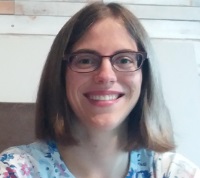
I’m Ali Luke, and I live in Leeds in the UK with my husband and two children.
Aliventures is where I help you master the art, craft and business of writing.
Start Here
If you're new, welcome! These posts are good ones to start with:
Can You Call Yourself a “Writer” if You’re Not Currently Writing?
The Three Stages of Editing (and Nine Handy Do-it-Yourself Tips)
My Novels
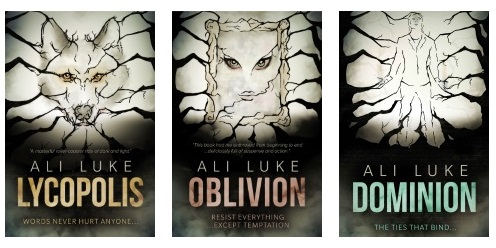
My contemporary fantasy trilogy is available from Amazon. The books follow on from one another, so read Lycopolis first.
You can buy them all from Amazon, or read them FREE in Kindle Unlimited.
This is an encouraging and refreshingly practical article for anyone who’s ever hesitated to start writing a novel because they felt they “didn’t have enough experience.” You’ve clearly shown that experience doesn’t have to be a barrier to beginning — consistent writing practice, openness to learning, and developing a reliable writing habit are far more valuable than formal qualifications or years of study.
Thanks John, I appreciate it!