Aliventures
Making the most of your writing time
Best of the Blog (Start Here)
Check out my best posts to get started with: they’re packed with encouragement, ideas, and advice for all types of writers.
Supercharge Packs
My Supercharge Your Writing packs help you get focused and enjoy writing more. They’re packed with practical tips.
How to Write Faster
This short course helps you speed up your writing, without sacrificing quality or enjoyment. For all writers.
Latest Blog Posts
Annual Writing Goal Progress in Q2, 2025 (Ditched Daily Writing Goal … and Wrote More!)
We’re halfway through 2025 – how’s your writing been going so far this year? If you’re hitting your goals, fantastic! Take a moment this week to celebrate. 🙂 If it’s not going quite how you wanted, that’s okay. You’ve still got six months…

Writing Dialogue: Eight Straightforward Tips (Plus Examples)
Unless you’re creating flash fiction or something decidedly experimental, writing dialogue is essential. Great dialogue can immerse the reader in your book, your world, and most especially your characters. Poor dialogue jars the reader and may even see them put…

Why You Should Stick to One Name for Each Character in Your Novel
This post was first published in April 2018 and last updated in June 2025. You’re probably known by several different names in your life. I'm "Ali Luke" to Aliventures readers. I’m “Alison Luke” when I fill in a form. I’m “Mrs Luke” to my bank and to cold-callers. I’m...
About Ali
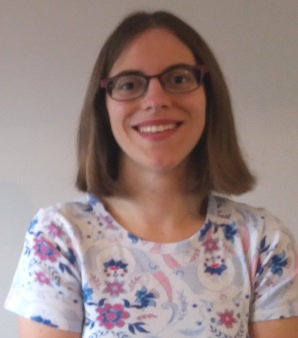
I’m an author (of both fiction and non-fiction) and a freelancer. Aliventures is my homebase online where I share articles on the art, craft and business of writing.
I live in Leeds (UK) with my husband and two kids, and I have degrees in English (MA Cantab, Cambridge University) and Creative & Life Writing (MA, Goldsmiths College, University of London).
Join the Newsletter
(free ebooks!)

You’ll receive…
- Time to Write, The Confident Writer and other mini-ebooks: go further with your writing, faster
- Each newsletter straight to your inbox (normally every Monday)
- Each blog post straight to your inbox (normally every Thursday)
I’ll never share your email address with anyone else, and you can unsubscribe at any time.